 Email Us: +8676023880266
 Call Us:
 Send Inquiry

 Send Inquiry
Oil Fume Purifier Range Hood Electric Control Board
MOQ : 100 Pieces
Oil Fume Purifier Range Hood Electric Control Board Specification
- Soldermask
- Green
- Impedance
- Controlled impedance available
- Hole Size
- 0.2 mm (Min)
- Silkscreen
- White
- Test
- 100% Electrical Test
- Insulation Resistance
- >500M
- Flame Resistance Level
- UL94-V0
- Board Type
- Rigid PCB
- Voltage Endurance
- 250V
- Min. Line Width
- 0.15 mm
- Min. Line Spacing
- 0.15 mm
- Product Type
- Oil Fume Purifier Range Hood Electric Control Board
- Base Material
- FR4
- Surface Finish
- HASL or ENIG
- Copper Thickness
- 1 oz
- Board Thickness
- Different available Millimeter (mm)
- Color
- Green
- Panel Size
- Different Available
- Sensor Switch
- Yes
- Electrical Components
- High quality capacitors, relays, ICs
- Number Of Layers
- 2 Layers
- Warranty
- Yes
- Overload Protection
- Built-in circuitry
- Humidity Resistance
- 95% RH
- Control Mode
- Microcontroller based
- Application
- Oil Fume Purifier Range Hoods
- Communication Interface
- Optional UART/RS232
- PCB Size Range Supported
- Up to 300 x 200 mm
- Operating Temperature Range
- -20C to 70C
- Weight
- Approx. 120g
- Power Supply Voltage
- 220V AC
- Mounting Type
- Screw and bracket mounting
Oil Fume Purifier Range Hood Electric Control Board Trade Information
- Minimum Order Quantity
- 100 Pieces
- Payment Terms
- Cash in Advance (CID)
- Supply Ability
- 10000 Pieces Per Month
- Delivery Time
- 10 Days
- Main Domestic Market
- All India
About Oil Fume Purifier Range Hood Electric Control Board
An Oil Fume Purifier Range Hood Electric Control Board is responsible for controlling and coordinating the various electrical components of the range hood and oil fume purifier, such as the fan, filter, and control panel. The control board receives input from the user through the range hood's interface and uses that information to determine when to activate each component to effectively purify the air of oil and smoke. In addition to basic control functions, the Oil Fume Purifier Range Hood Electric Control Board may also include advanced features such as programmable fan speed settings, automatic shutoff in case of overheating or electrical malfunctions, and indicators to show the air purification status.
Other Details:
Advanced Electronic Control for Oil Fume Purification
Built on a microcontroller platform, this control board ensures accurate and flexible management of range hood operations. Its comprehensive electrical features and protected design-such as built-in overload circuitry-maintain stability under varied environmental conditions, ensuring sustained performance in demanding kitchens or industrial settings.
Durable Construction and Robust Testing Standards
Constructed with rigid FR4 base material and double-layer PCB, the unit boasts a UL94-V0 flame-resistant level and outstanding insulation resistance (>500M). Each board undergoes a 100% electrical test, while the precise build (minimum hole size 0.2mm, line width 0.15mm) guarantees reliability for long-term use. The available surface finishes-HASL or ENIG-bolster its resistance to wear and corrosion.
Easy Integration and Installation Flexibility
With screw and bracket mounting options and support for a broad PCB size range (up to 300 x 200 mm), installers can adapt the board to numerous range hood designs. Multiple panel size and thickness options, combined with a sturdy green soldermask and clear silkscreen, facilitate quick identification and seamless integration for manufacturers, exporters, and service providers.
FAQ's of Oil Fume Purifier Range Hood Electric Control Board:
Q: How do I install the Oil Fume Purifier Range Hood Electric Control Board?
A: Installation is achieved using the provided screw and bracket mounting supports. The board accommodates a wide range of PCB sizes (up to 300 x 200 mm) and panel thicknesses, making it suitable for various range hood designs. Clear silkscreen labeling aids wiring and assembly, ensuring straightforward, secure integration.Q: What are the benefits of using this electric control board in oil fume purifier range hoods?
A: This control board offers precise microcontroller-based management, robust overload protection, and built-in test circuitry for dependable operation. Its ability to withstand high humidity (up to 95% RH) and extreme temperatures ensures reliable performance in challenging environments, enhancing the efficiency and longevity of purification systems.Q: When should I consider replacing or upgrading the control board in my range hood system?
A: Replacement is warranted if you experience frequent operation failures, loss of communication, or inconsistent sensor response. Upgrading may be beneficial when integrating advanced features like UART/RS232 communication or when updating to newer, more efficient range hood models supporting larger PCB sizes or improved flame resistance.Q: Where can the Oil Fume Purifier Range Hood Electric Control Board be used?
A: This control board is designed for use in a variety of oil fume purifier range hoods, suitable for both domestic and commercial kitchen environments. Its robust build and environmental tolerance allow installation in settings requiring dependable air quality management, including restaurants and food processing facilities.Q: What is the process for connecting external communication interfaces like UART or RS232?
A: The control board supports optional UART/RS232 interfaces. External devices can be linked by connecting the corresponding pins as labeled on the silkscreen, allowing for enhanced communication and system monitoring. Refer to the wiring diagram and follow the voltage and connector guidelines for secure data transmission.Q: How does the built-in overload protection function benefit the user?
A: Integrated overload protection circuitry automatically detects and responds to excessive current or voltage spikes, reducing risk of component damage and system failure. This feature helps preserve board functionality during unforeseen electrical issues, minimizing downtime and maintenance costs.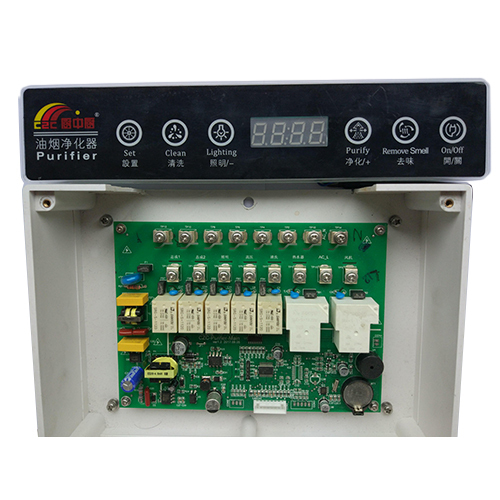
Tell us about your requirement

Price:
Quantity
Select Unit
- 50
- 100
- 200
- 250
- 500
- 1000+
Additional detail
Mobile number
Email

More Products in Range Hood Electric Control Board Category
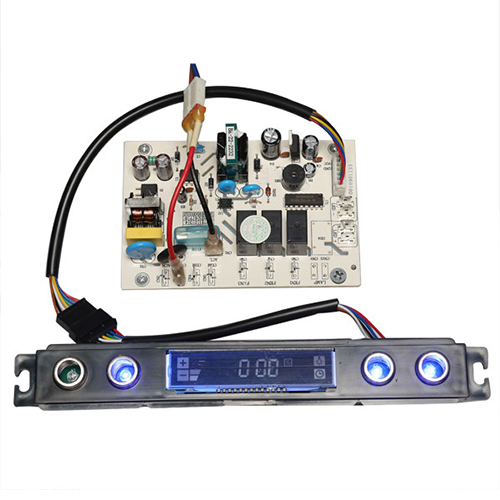
LY-H103 Range Hood Electric Control Board
Minimum Order Quantity : 100 Pieces
Product Type : Range Hood Electric Control Board
Surface Finish : Other, HASL (Hot Air Solder Leveling)
Insulation Resistance : >10^12
Sensor Switch : Yes
Board Thickness : Different available Millimeter (mm)
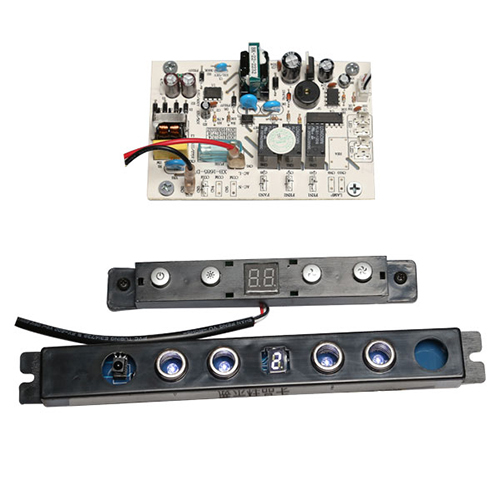
LY-1685 Range Hood Electric Control Board
Minimum Order Quantity : 100 Pieces
Product Type : Range Hood Electric Control Board
Surface Finish : Other, HASL (Hot Air Solder Leveling)
Insulation Resistance : >108
Sensor Switch : Yes
Board Thickness : Different available Millimeter (mm)
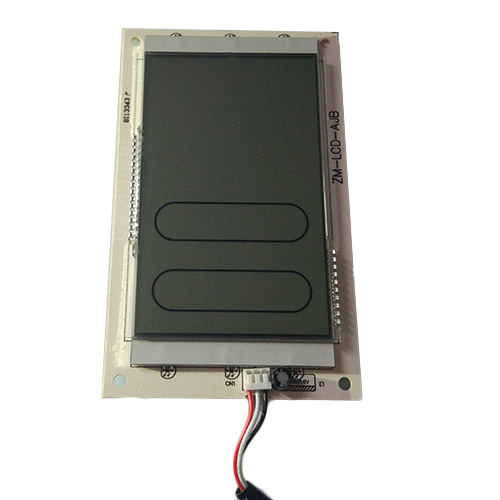
Large Screen Touch Range Hood Electric Control Board
Minimum Order Quantity : 100 Pieces
Product Type : Range Hood Electric Control Board
Surface Finish : Other, HASL (Leadfree)
Insulation Resistance : >500M
Sensor Switch : Capacitive Touch Panel
Board Thickness : Different available Millimeter (mm)
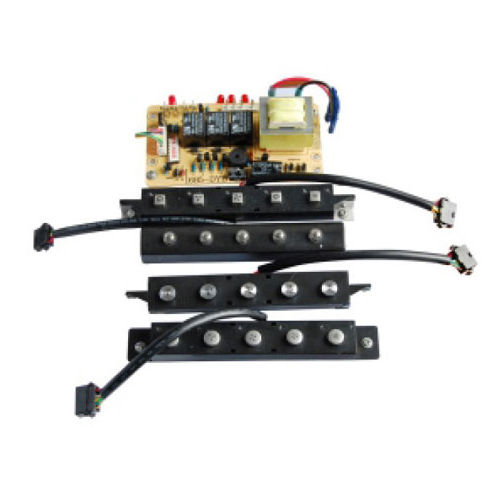
LY-CYYJ-001 Range Hood Electric Control Board
Minimum Order Quantity : 10 Pieces
Product Type : Range Hood Electric Control Board
Surface Finish : Other, HASL (Hot Air Solder Leveling)
Insulation Resistance : >10^12
Sensor Switch : Yes
Board Thickness : Different available Millimeter (mm)

Contact Us

- Block A, Chengnan 2nd Road, Zhongshan - 528401, Guangdong, China
ZHONGSHAN CHENGYUAN DIGITAL ELECTRONIC TECHNOLOGY CO., LTD.

- Mr Zhou Zhongqiu (Manager)
- Mobile : +8676023880288
- Send Inquiry

Our Products
- Dehumidifier Electric Control Board
- Soybean Milk Machine Electric Control Board
- Integrated Cooker Electric Control Board
- Blender Electric Control Board
- Air Purifier Electric Control Board
- Heater Electric Control Board
- Disinfection Cupboard Electric Control Board
- Disinfection Shoe Electric Control Board
- Smart Dryer Electric Control Board
- Foot Tub Electric Control Board
- Sterilizer Electric Control Board
- Humidifier Electric Control Board
- Cooker Electric Control Board
- Fan Electric Control Board
- Range Hood Electric Control Board
- Water Purifier Electric Control Board
- Switch Assembly
 Send Inquiry
ZHONGSHAN CHENGYUAN DIGITAL ELECTRONIC TECHNOLOGY CO., LTD.
All Rights Reserved.(Terms of Use)
Developed and Managed by Infocom Network Private Limited.
Developed and Managed by Infocom Network Private Limited.

